Boost Efficiency: Best Data Center Infrastructure Management Services for Maximum Performance
Maximizing productivity in data centers is critical for organizations seeking to enhance performance. Top Data Center Infrastructure Management (DCIM) services provide critical resources for live surveillance and data analysis. Solutions from ServiceNow, Sunbird, Schneider Electric, and Nlyte stand out in this landscape. These services not only monitor equipment but also improve resource allocation. Understanding how to choose the right DCIM solution can lead get details on this to significant enhancements. What factors should organizations evaluate to make an informed choice?
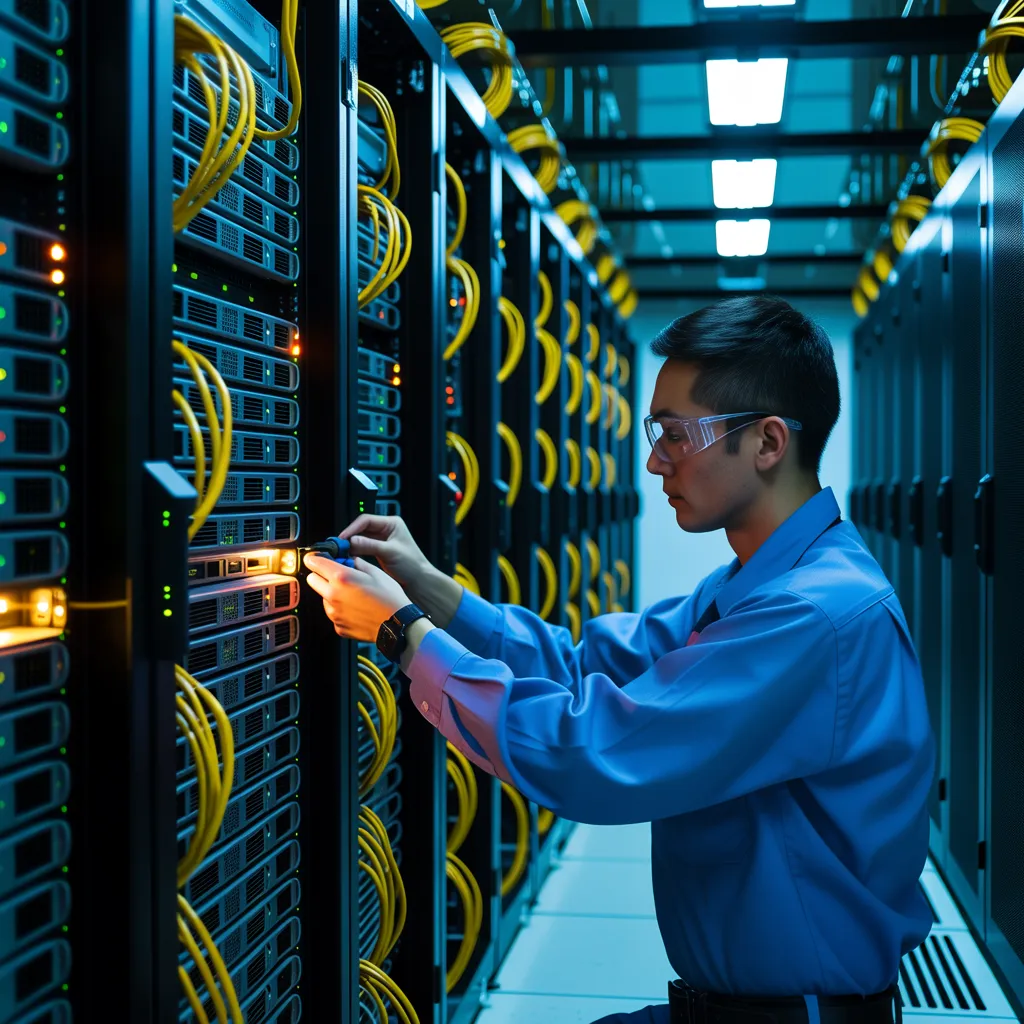
Best DCIM Services for 2023
As organizations increasingly rely on data centers to enable their functions, selecting the optimal Data Center Infrastructure Management (DCIM) services for 2023 becomes vital. Leading DCIM platforms offer thorough solutions designed to enhance resource management, improve operational efficiency, and guarantee robust monitoring capabilities. Notable contenders in the market include ServiceNow, known for its integration capabilities, and Sunbird, which excels in real-time visualization and reporting. Additionally, Schneider Electric offers a powerful platform for energy management and asset tracking.
Another key competitor, Nlyte, focuses on enhancing data center performance through advanced analytics. These services not only facilitate better strategic choices but also help in predicting upcoming needs. As data demands continue to increase, selecting a DCIM service that offers flexibility and adaptability is critical. Ultimately, organizations must evaluate their specific requirements to choose the most suitable DCIM service, ensuring peak efficiency and reliability in their data administration strategies.
Exploring server facility system administration (DCIM)
Data Center Infrastructure Management (DCIM) encompasses a suite of tools and methodologies designed to monitor, manage, and optimize data center resources. By combining IT and facility management, DCIM delivers comprehensive insight into the efficiency and usage of critical assets. This method enables real-time data collection, enabling operators to make informed decisions regarding energy consumption, cooling efficiency, and space utilization.
DCIM tools often include capabilities such as asset tracking, resource allocation, and environmental monitoring, which together enhance performance optimization. They enable facility administrators to identify bottlenecks, optimize processes, and lower expenses. Additionally, DCIM facilitates strategic planning for growth initiatives and assists companies meet regulatory standards. By implementing effective DCIM methodologies, data centers can achieve greater dependability, enhanced environmental responsibility, and greater operational excellence, ultimately contributing to enhanced service delivery in a fast-changing digital landscape.
Vital Qualities for Identifying Top-notch DCIM Services
Assessing efficient Data Center Infrastructure Management (DCIM) solutions necessitates thorough assessment of critical features that enhance performance and resource management. Key attributes feature real-time monitoring tools, delivering immediate awareness into power usage and environmental conditions. Connectivity with existing systems is also vital, as frictionless communication fosters a integrated methodology to data management.
Scalability represents a key element, enabling organizations to adapt as their infrastructure grows and transforms. Sophisticated analysis tools can offer forecasting intelligence, facilitating active planning and reducing downtime. User-friendly interfaces enhance accessibility for multiple users, while robust security measures safeguard sensitive data.
At last, customization options guarantee that DCIM services can be tailored to meet targeted operational goals. By focusing on these core functionalities, businesses can select DCIM services that not only streamline operations but also enable long-term sustainability and competitive advantage.
Selecting the Best DCIM Solution for Your Needs?
What approach can an enterprise use to select the best DCIM platform tailored to its distinct needs? The decision-making process begins with a thorough assessment of existing infrastructure and operational requirements. Organizations should pinpoint concrete goals, such as increasing uptime, strengthening resource allocation, or optimizing capacity planning. Additionally, evaluating growth potential is essential; a solution must adapt to forthcoming growth and technological advancements.
Subsequently, organizations must assess integration options. The ideal DCIM solution should integrate seamlessly with current tools and systems. Usability also is important; intuitive interfaces support user adoption and operational efficiency.
In addition, organizations should review partner assistance and community engagement, as persistent support and assets can be meaningful. Conclusively, performing a cost-benefit analysis validates that the preferred option aligns with financial boundaries while delivering the projected benefits. By sticking with these phases, organizations can confidently choose a DCIM solution that addresses their specific demands and enhances overall performance.
Leveraging DCIM Systems to Boost Energy Efficiency
Leveraging DCIM tools can markedly boost operational efficiency within data centers. By providing extensive understanding into power consumption and temperature management, these tools enable operators to recognize inefficiencies and optimize resource management. With immediate data on power consumption, data center managers can make informed decisions about equipment placement and cooling strategies, ensuring that energy is not wasted.
DCIM offerings also facilitate automated monitoring and control of power loads, allowing for strategic modifications based on current demand. This agility can lead to substantial savings in energy costs. In addition, powerful analytics within DCIM tools can pinpoint areas for further advancement, promoting proactive strategies rather than reactive interventions.
Embedding these solutions into routine processes creates a culture of perpetual advancement, ultimately pushing toward a more sustainable data center environment. The result is not merely enhanced efficiency but also a diminished environmental burden, aligning with broader environmental goals.
Real-Time Surveillance : The Cornerstone of DCIM Success
Real-time tracking works as a crucial aspect in the achievement of Data Center Infrastructure Management (DCIM). By offering advanced performance indicators, it facilitates forward-thinking issue identification and enhancement of resource management. This capacity in the end produces superior operational efficiency and consistency within data centers.
Enhanced Efficiency Measurements
Assessing infrastructure system performance constitutes a vital necessity for enhancing performance levels and securing long-term stability. Sophisticated performance measurements convey important analytical insights concerning broad infrastructure domains, incorporating power efficiency parameters, cooling performance metrics, and equipment allocation. Via accessing real-time analytics, corporate entities can gauge their system durability and responsiveness, enabling data-driven decisions. Monitoring indicators like infrastructure uptime, system latency, and processing throughput prove useful in pattern identification and establishing resource forecasts. Simultaneously, these indicators foster organizational responsibility, shaping investments and long-term planning. Recurring data evaluation of system performance data assists with external comparison versus performance benchmarks and develops a framework for continuous advancement. At its core, superior performance indicators function as a foundational basis in strong data center management, generating operational excellence and market positioning.
Proactive Problem Recognition
Proactive problem identification is essential in upholding the stability of data center operations. By employing live tracking systems, data centers can identify potential problems before they worsen into critical failures. This strategy enables teams to respond rapidly to irregularities in heat levels, power consumption, and equipment performance. Perpetual observation ensures that any variations from standard parameters are highlighted right away, enabling for immediate response. As a result, the overall reliability of the infrastructure is strengthened, decreasing service interruptions and maintaining service excellence. Moreover, proactive detection supports strategic planning regarding service plans and resource allocation, in the long term maximizing operational efficiency. Committing resources in comprehensive tracking systems is vital for ensuring optimal functioning in modern complex data environments.
Resource Consumption Maximization
Proficient oversight of a data center's resources depends on the ability to regularly track and assess operational metrics. Real-time surveillance acts as the foundation for maximizing resource utilization, enabling data center managers to identify inefficiencies and assign assets effectively. By implementing advanced DCIM tools, organizations can obtain essential information on power consumption, cooling efficiency, and workload distribution. This data facilitates for more informed decision making, ensuring that resources are leveraged to their fullest potential. Additionally, real-time analytics support immediate responses to changing demands, curtailing waste and improving overall performance. Ultimately, effective resource utilization optimization not only boosts operational efficiency but also contributes to sustainability goals, making it a essential component of modern data center management strategies.
Forthcoming Innovations in Data Center Infrastructure Management
As computational hubs progress to address surging requirements for efficiency and capability, novel trends in Data Center Infrastructure Management (DCIM) are reimagining the landscape. One standout shift is the fusion of artificial intelligence (AI) and machine learning, which refines predictive analytics for space planning and energy efficiency. These platforms enable real-time monitoring and automated responses to potential issues, materially reducing interruptions.
Additionally, the implementation of edge computing is driving a change in DCIM approaches, as companies aim to handle data closer to its source for enhanced speed and efficiency. This requires sophisticated control systems to maintain performance across dispersed environments.
Sustainability remains at the vanguard, focusing on cutting carbon footprints and enhancing how resources are consumed. Lastly, the growth of hybrid cloud solutions needs more complex DCIM systems capable of smoothly handling both on-premises and cloud resources, ensuring the highest operational efficiency.
Frequently Requested Questions
How Do I link DCIM With Current Data Center Setup?
To incorporate DCIM with existing data center systems, one should evaluate current infrastructure, guarantee compatibility, deploy APIs for data exchange, and perform thorough testing to confirm seamless operation and improved management capabilities across platforms.
What Is the Average Price of Implementing DCIM Solutions?
Deploying DCIM solutions generally expenses somewhere between $20,000 and $150,000 on average, contingent upon the data center's dimensions, the sophistication of the infrastructure, and the specific features necessary for superior management.
Are there particular compliance standards for DCIM Services?
Certainly, specific compliance standards exist for DCIM services, including ISO 27001 for information security, PCI DSS for payment data security, and multiple environmental guidelines that direct power consumption optimization and eco-friendly operations within data centers.
What Interval Ought to I Update My DCIM Software?
DCIM software updates should take place at least annually, though quarterly updates are advised to guarantee top-tier functionality, security improvements, and compliance with developing standards. Periodic reviews help recognize when updates are required for unique organizational needs.
Can DCIM Solutions Enable Business Continuity Design?
DCIM tools can significantly assist in disaster recovery planning by offering live surveillance, asset management, and situation modeling. This ensures that computing facilities are ready for potential disruptions, enhancing overall stability and recovery strategies.